This is default featured slide 1 title

Go to Blogger edit html and find these sentences.Now replace these sentences with your own descriptions.

This is default featured slide 2 title

Go to Blogger edit html and find these sentences.Now replace these sentences with your own descriptions.

This is default featured slide 3 title

Go to Blogger edit html and find these sentences.Now replace these sentences with your own descriptions.

This is default featured slide 4 title

Go to Blogger edit html and find these sentences.Now replace these sentences with your own descriptions.

This is default featured slide 5 title

Go to Blogger edit html and find these sentences.Now replace these sentences with your own descriptions.

Thursday, December 19, 2013

South Sudan Army Loses Control of Northern Town


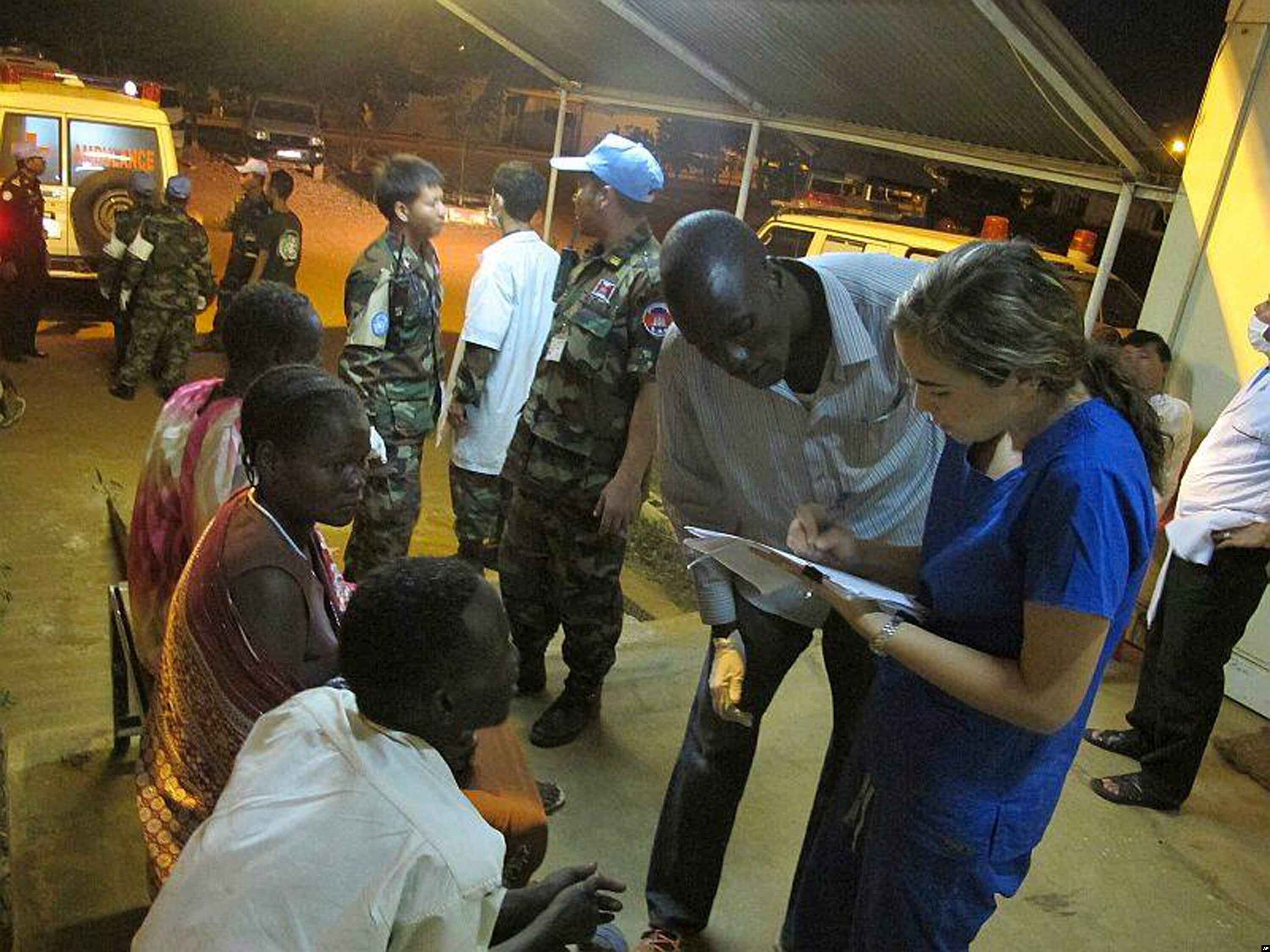
  • Medics from the United Nations Mission in the Republic of South Sudan assist civilians at a Cambodian-run hospital in the UNMISS compound, Juba Dec. 18 , 2013. (UNMISS)
Violence in South Sudan
TEXT SIZE 
VOA News
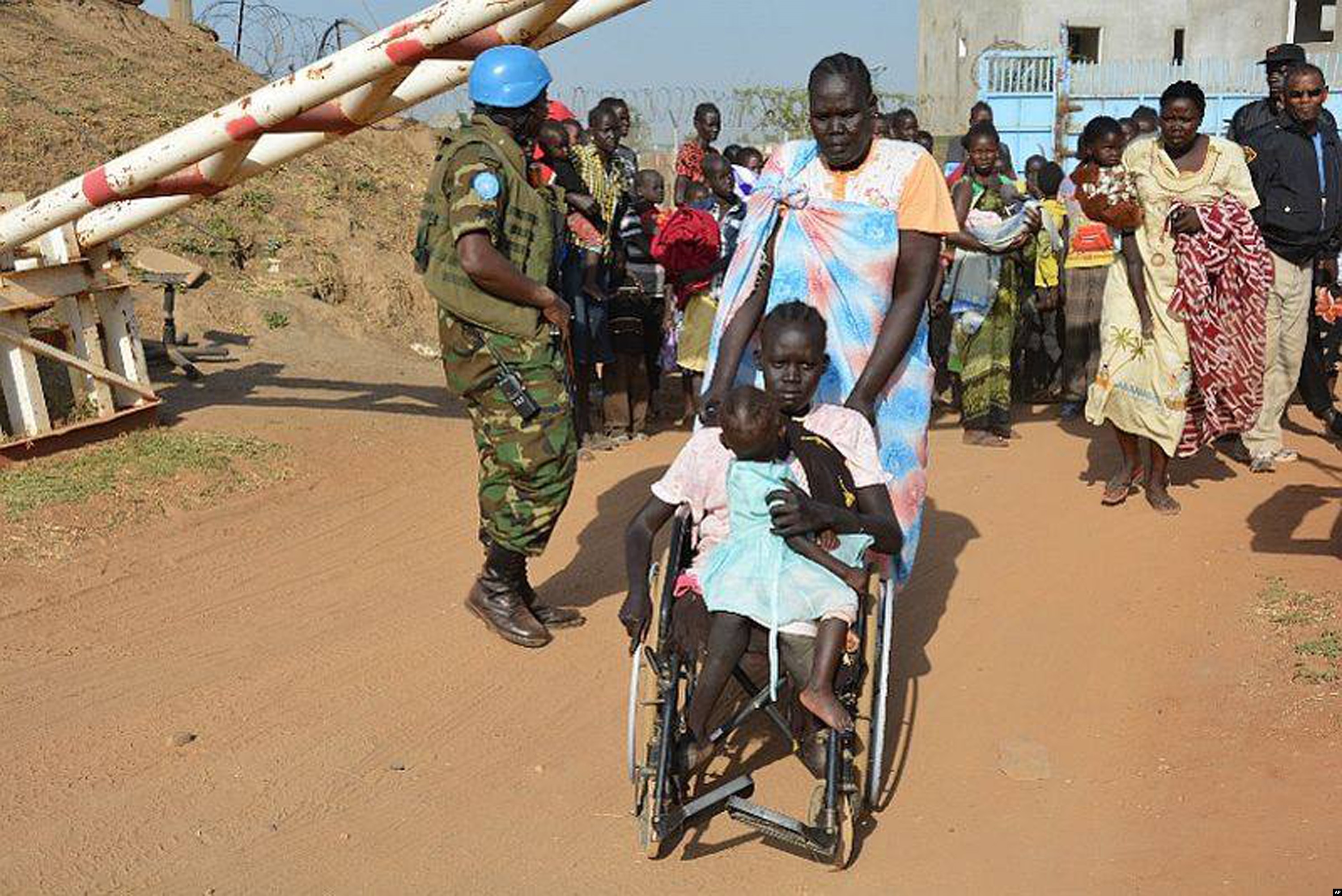
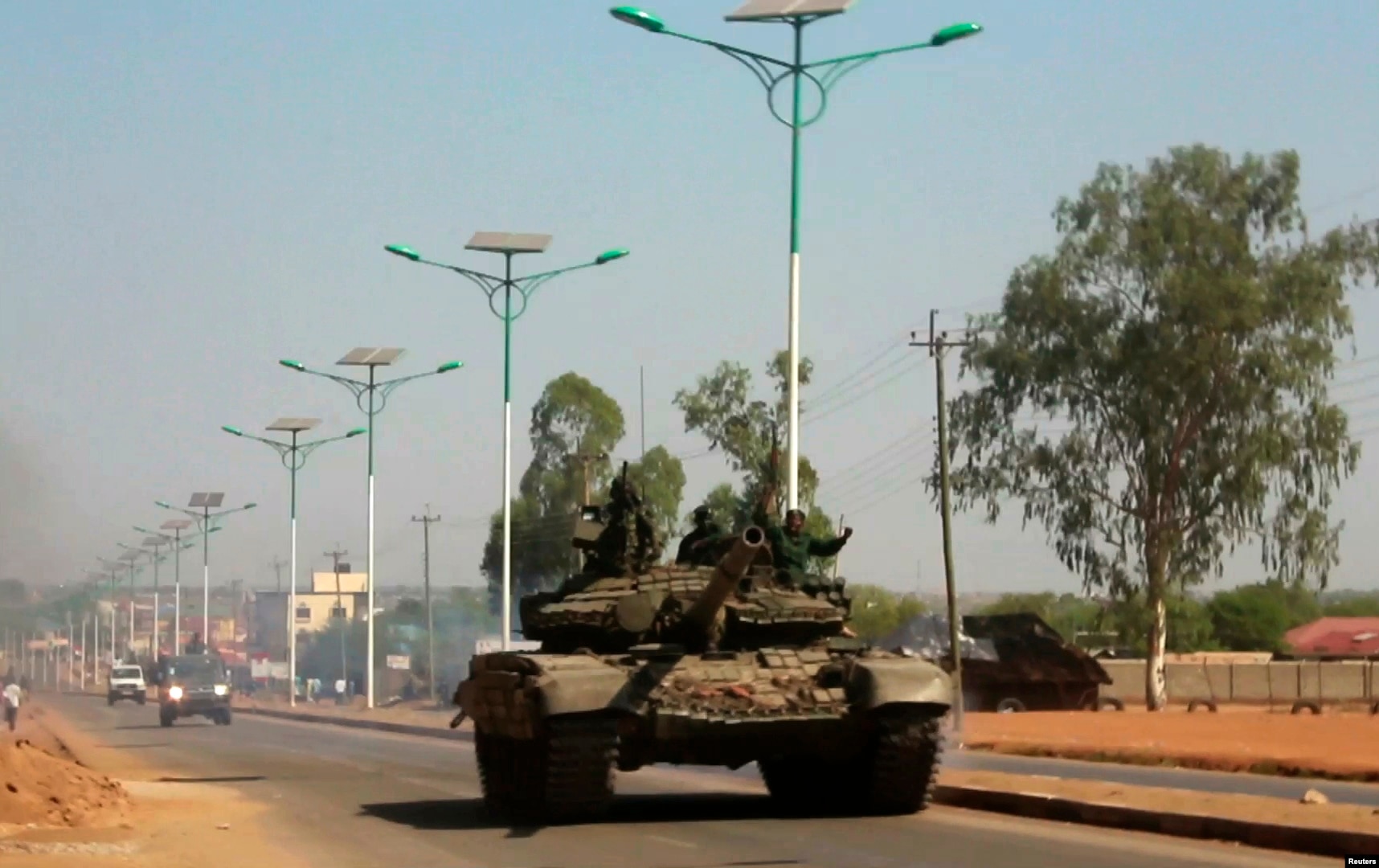
South Sudan's military announeced that it is no longer in control of Bor, a town north of the capital, after fighting spread there following what the government has called an attempted coup. The South Sudan Red Cross says 19 civilians have been killed in the town.

Meanwhile, the country's information ministry reported that security forces are in "absolute control" of the situation in Juba, the capital. The government says 500 people have been killed there, with at least another 700 wounded since clashes began Sunday.
Bor, South SudanBor, South Sudan

President Salva Kiir blames the alleged coup attempt on forces loyal to his former vice president, Riek Machar, whom he fired in July. Kiir said Wednesday he is willing to hold talks with Machar.

United Nations Secretary-General Ban Ki-moon has urged the president to engage with his opponents and cooperate with the U.N.

"This is a political crisis, and urgently needs to be dealt with through political dialogue. There is a risk of this violence spreading to other states, and we have already seen some signs of this," said Ban.

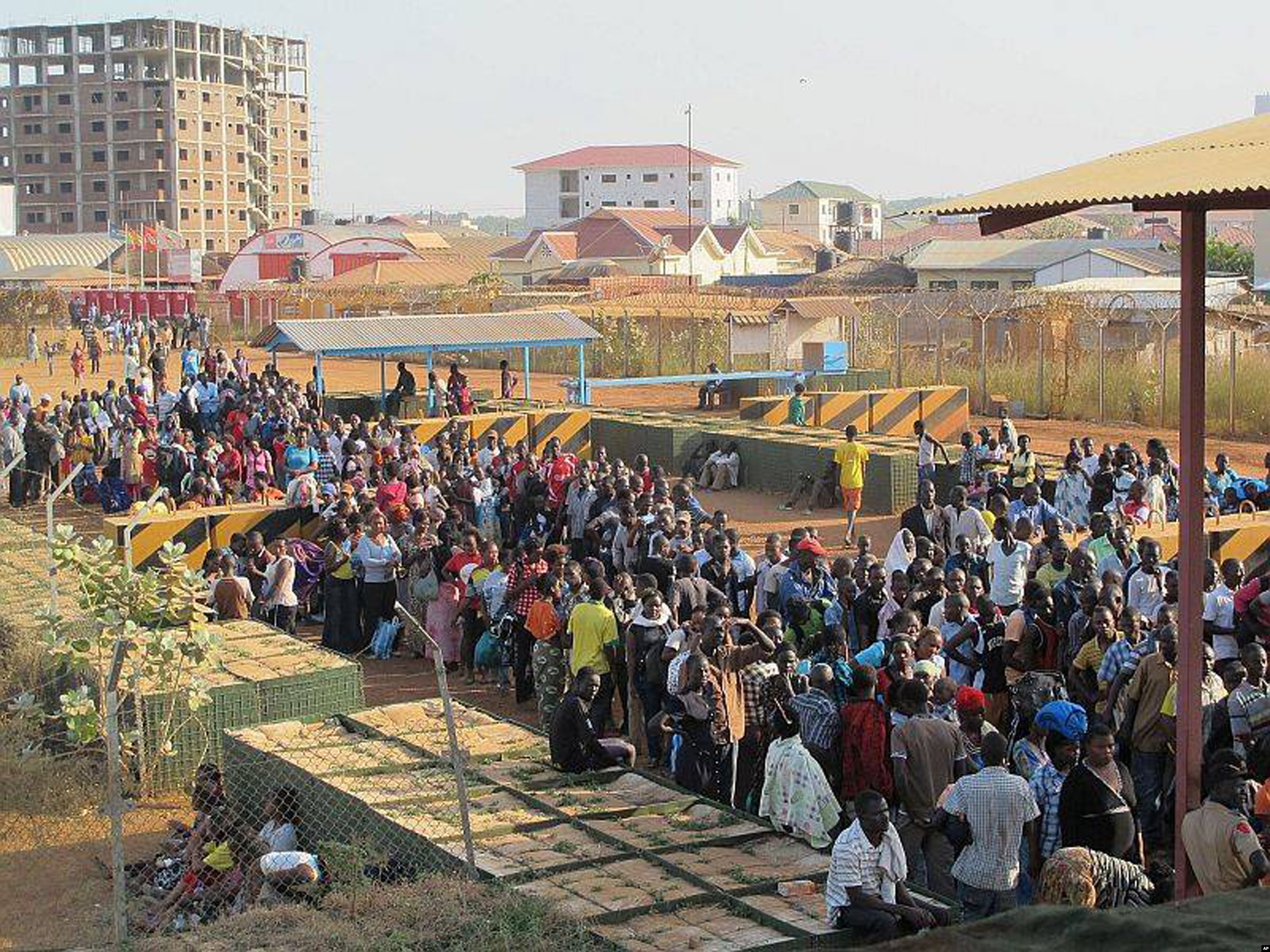
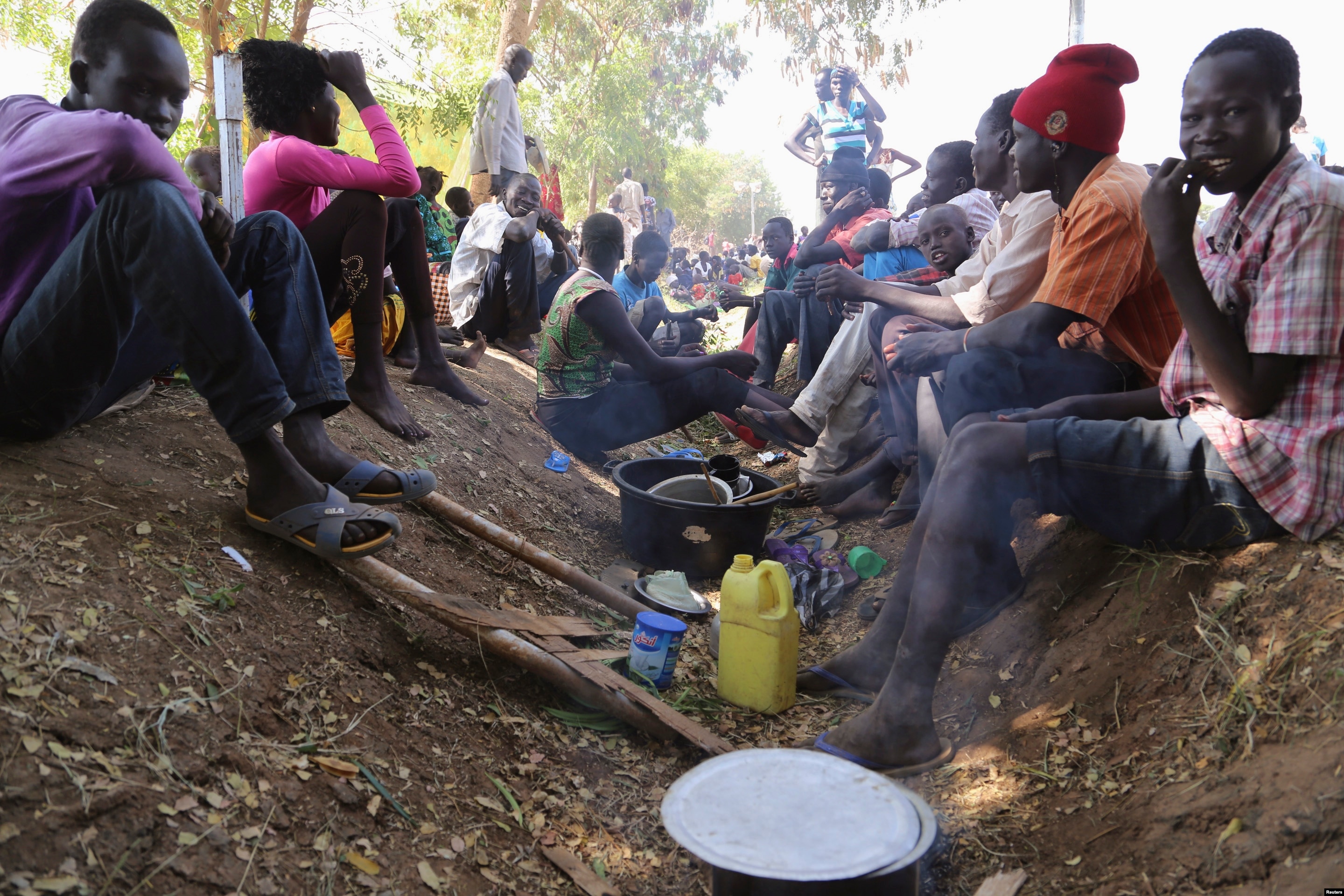
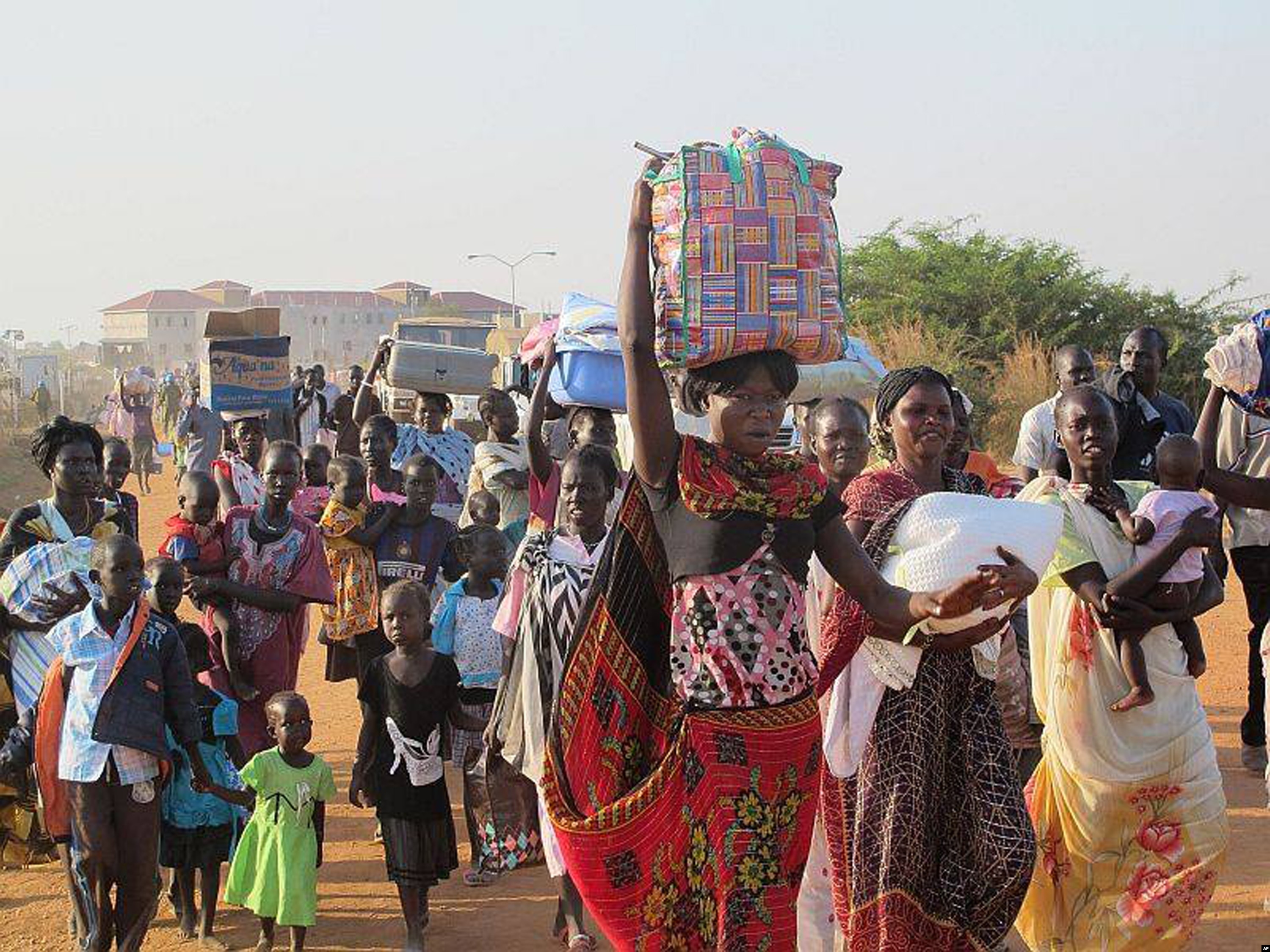
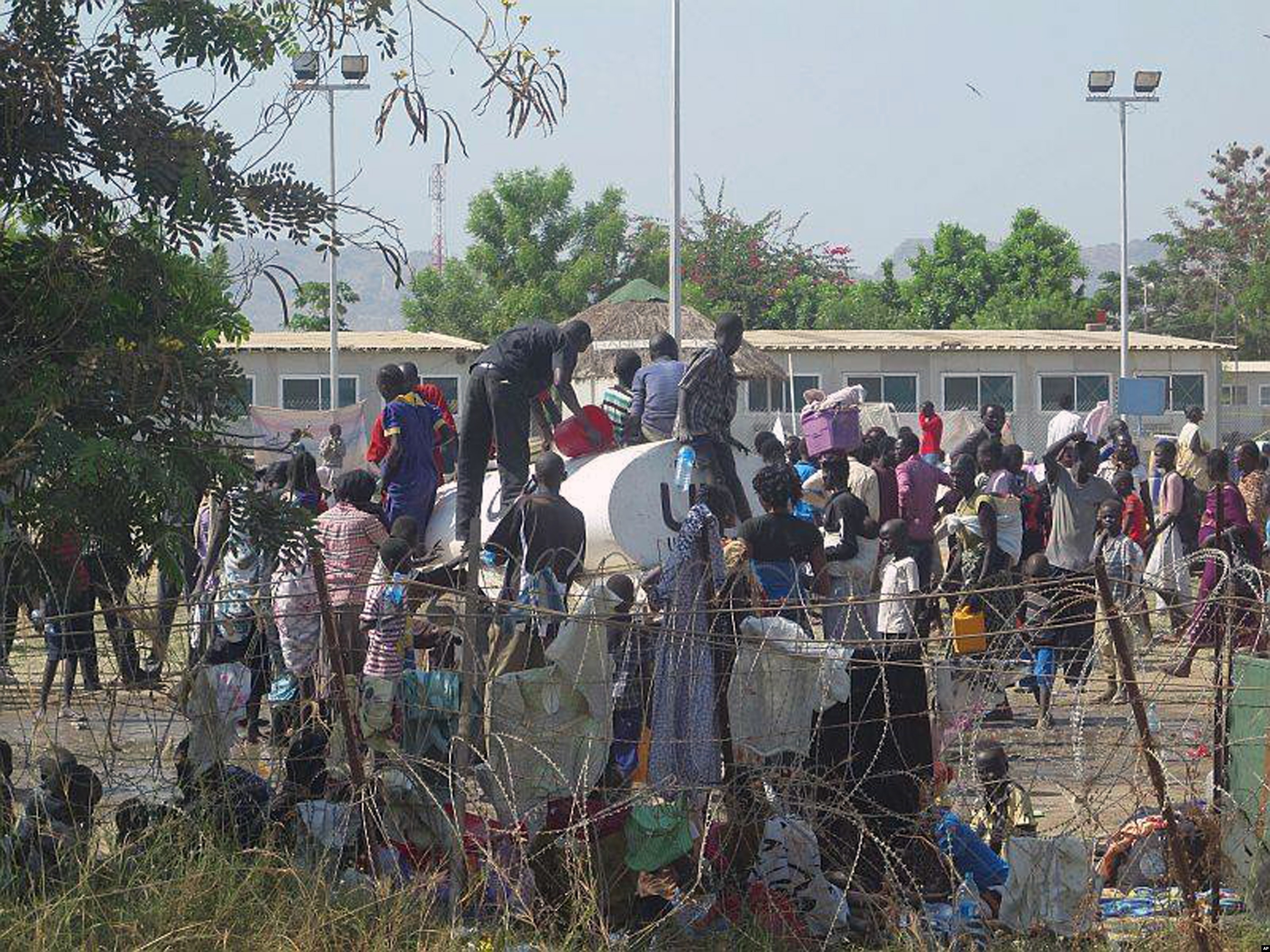
Ban also said on Wednesday that as many as 20,000 people have taken refuge with the U.N. mission in Juba. South Sudanese officials have urged residents to return to their homes following the deadly clashes.

The International Committee of the Red Cross, however, says many civilians are "too scared to go home."

ICRC spokesperson Cynthia Lee told VOA the two main hospitals in Juba are overstretched as they attempt to deal with the influx of fighting casualties. She said her group has delivered wound dressing materials and medicine to treat the victims at the hospitals.

Observers have raised concerns that a rift between Machar, from the Nuer ethnic group, and Kiir, a Dinka, could fuel tribal violence in South Sudan.

South Sudan's government said 10 people have been arrested for their alleged roles in the coup attempt, but Machar remains at large.

Britain announced that it is withdrawing some embassy staff from South Sudan after the fighting spread to areas beyond the capital, but the embassy will remain open.

The U.S. State Department said it has evacuated three groups of American citizens from South Sudan, and at least one other evacuation has been organized for Thursday.

Ambassador Susan Page met Wednesday with President Kiir in Juba to discuss U.S. concerns about the continued violence, increasing death toll and growing humanitarian challenges.

Tuesday, December 17, 2013

South Sudan 'quashes coup attempt'

South sudan suffers attempted coup detat

Sunday, December 8, 2013

Ethiopia Agree with Sudan on Establishment of Free Trade Zone and stop former opposition infiltrating though their Joint Borders


 Sudan and Ethiopia have agreed on establishment of a free trade and economic zone at the joint border between the two countries, half of it is to be inside Sudan and the other half is to be in Ethiopia, with the aim to attracting investments of both countries and neutralizing Ethiopian armed groups from using Sudan as stepping stop to dis-stabilize the  ethnically profiled  Addis Abab regime in Ethiopia. The objective of the Ethiopian government is to stop the opposition groups will not infiltrate from Sudan to topple the regime.
At the joint press conference he held Wednesday evening at the Friendship Hall with the Ethiopian Prime Minister, Hailemariam Desalegn, President Al Bashir said the proposed free trade zone will push ahead the economic and trade relations between the two countries, pointing the large potentialities enjoyed by Sudan and Ethiopia.
He said that the talks between the two sides were held in an atmosphere of fraternity and harmony that reflected the level achieved in the bilateral relations between Khartoum and Addis Ababa, indicating that the Sudanese and Ethiopian sides have signed 12 agreements and memos of understanding on cooperation in the trade, investment, electricity power, local and federal government, customs, youths, sports, banking and other fields.
Meanwhile, the President of the Republic affirmed Sudan keenness to contribute to realization of security and stability at the Horn of Africa area.
He said that Sudan distinguished relations with Ethiopia and Eritrea qualifies it to play a role for ending the tension in the relations between the two countries.
President Al Bashir appreciated the firm stance adopted by the African countries concerning the so-called International Criminal Court which is regarded by the African leaders as a mechanism of neo-colonialism.

Tuesday, December 3, 2013

Sudan-Ethiopia committee reach agreements as Desalegn arrives in Khartoum - Sudan Tribune: Plural news and views on Sudan

December 2, 2103 (KHARTOUM) - The Joint Sudanese - Ethiopian Higher Committee (JSEHC) has concluded its meetings at the experts level, and reached several economic and political agreements and understandings aiming to develop bilateral relations, as the Ethiopian Prime Minister will arrive on Tuesday.
JPEG - 29 kb
Ethiopian Prime Minister Hailemariam Desalegn (Getty)
The Sudanese side of experts committee was headed by the general director of bilateral relations at Sudan’s ministry of foreign affairs, Abdel-Mahmoud Abdel-Halim while the Ethiopian side was headed by director of the African department at Ethiopia’s foreign ministry, Solomon Ababa.
The two delegations reached agreements to enhance trade in areas of transportation, customs, standards and metrology, civil aviation, media, and communication. The understandings covered social, cultural, sports, and tourism domains.
The meeting further applauded progress in work of the joint borders committees in the previous meetings and underscored the need to enhance cooperation between border regions.
The Sudanese foreign ministry spokesperson, Abu Bakr Al-Siddig, on Monday also denied existence of border disputes between the two countries, pointing that there are small differences on limited points at the border area.
Farmers from two sides of the border used to dispute the ownership of land in the Al-Fashaga area located in the south-eastern part of Sudan’s eastern state of Gedaref.
Ambassador Al-Siddig, disclosed that technical committees which are currently meeting in Khartoum have embarked on putting border signs for the border re-demarcation in order to organise trade and movement between the two countries.
He added that the two countries agreed to coordinate positions on the regional and international issues particularly the situation in Somalia besides signing a memorandum of understanding for cooperation and coordination between the foreign ministries, pointing that the Sudanese side briefed its Ethiopian counterpart on the progress of cooperation with South Sudan.
This fifth JSEHC meetings would witness the signing of a strategic framework agreement by president, Omer Hassan Al-Bashir, and Ethiopia’s Prime Minister, Hailemariam Desalegn.
Desalegn will arrive in Khartoum on Tuesday at the head of a high level delegation to participate in the meetings JSEHC and inaugurate the power linkage network between the two countries.
The JSEHC meetings at ministerial level would begin on Tuesday. The Sudanese side would be headed by the foreign minister, Ali Karti, while the Ethiopian side would be headed by the foreign minister, Tedros Adhanom.
(ST)

Sunday, November 24, 2013

Sudanese rebels visit ICC premises - Sudan Tribune

November 21, 2013 (THE HAGUE) - The leaders of the rebel Sudanese Revolutionary Front (SRF) on Thursday paid a courtesy visit to the International Criminal Court (ICC) and expressed willingness to collaborate with the war crimes court.
JPEG - 47.2 kb
Photo shows the International Criminal Court in the Hague (AFP)
The rebel delegation led by SRF leader Malik Agar is touring European countries to explain their position over the comprehensive approach to bring peace and to establish a democratic regime in Sudan.
During their visit to the Netherlands, the SRF leadership visited the ICC headquarters where they met with an external relations officer from the Outreach unit. The delegation was briefed about the court functioning and it is different departments.
During a meeting with the ICC officials, the visiting delegation expressed its willingness to cooperate with the court saying they are ready to hand over any of their members including the leaders if they are accused of perpetrating any war crime.
The rebels further regretted the non-arrest of president Omer Al-Bashir in spite of the warrants issued against saying this not-arrest encourages him commit more atrocities and crimes as it was the case during the bloody repression of protesters last September.
The rebels said they will keep their efforts to mobilise the international community, rights groups and Sudanese people on the need to cooperate with the international court. They further stressed the need to carry out a, awareness and information campaign in Africa to explain the ICC mission.
The ICC issued two arrest warrants against Bashir in 2009 and 2010 for alleged war crimes, crimes against humanity and genocide committed in Darfur region.
Nonetheless, last June the ICC prosecutor Fatou Bensouda criticised the United Nations Security Council (UNSC) over its "inaction and paralysis" over Darfur cases.
Bensouda also criticised the UNSC for failing to intervene after neighbouring countries, most notably Chad, refused to arrest Bashir despite him taking several trips inside their borders.
The Sudanese rebels also attended a hearing at the court as it has started the trial of the Kenyan vice president William Ruto.
Ruto and the Kenyan president Uhuru Kenyatta are facing charges of crimes against humanity for their alleged role in ethnic violence in the aftermath of an election in 2007 when 1,200 people were killed.
Kenya backed by many African countries seeks to persuade the ICC’s members to accept an immediate change in the rules of the court providing that the head of states are not forced to attend trials.
The east African country also demands a longer-term amendment in the ICC’s founding treaty, the Rome Statute status banning the prosecution of heads of states.

Thursday, November 7, 2013

Sudan officials seek EU help on trafficking -AFP:


By Ian Timberlake (AFP) – 
Kassala — Sudanese officials in the border region with Eritrea appealed on Wednesday for EU help to combat human trafficking, an issue highlighted when hundreds of Eritrean migrants died off Italy.
"We are confronted by organised groups," the governor of Kassala state, Mohammed Yousef Adam, told European Union ambassadors visiting from Khartoum.
"And we need your help on this."
Kassala is one of three states in eastern Sudan that border authoritarian Eritrea, from which many thousands of people have fled.
The United Nations refugee agency (UNHCR) says on its website that the 1,800 refugees and asylum-seekers who arrive each month in eastern Sudan "brave often violent traffickers, smugglers and kidnappers".
Rather than stay in poverty-stricken eastern Sudan, the asylum-seekers are in search of better economic opportunities in Khartoum, Egypt, Israel, or further afield in Europe.
While some are believed to pay smugglers to transport them elsewhere, others are abducted, the UNHCR has said.
More than 350 migrants, mainly from Eritrea, died in an early October shipwreck off the Italian island of Lampedusa as they tried to reach Europe.
The UNHCR says it has begun a project with local authorities and the International Organisation for Migration to address trafficking, smuggling and kidnapping in eastern Sudan.
Sudanese officials told the EU delegation that some suspects have been arrested and Kassala state has passed a law against human trafficking.
"This is really an area which we want to cooperate more with Sudan and with all neighbouring countries," EU ambassador Tomas Ulicny told the state governor.
Italy's ambassador, Armando Barucco, said "the collaboration of the Sudanese authorities to curb the trafficking" is most important.
He said police in Italy and Sudan have concluded talks on cooperation to fight human trafficking, and an agreement is expected to be signed soon.
The UNHCR actually registered just 63 human trafficking cases in the first 10 months of the year, compared with 338 in 2012.
Agency officials could not immediately be reached to explain the fall in the number of recorded cases.
Amnesty International said in April that Eritrean refugees kidnapped in Sudan are raped, beaten, chained and sometimes killed after being forcibly transported to Egypt's Sinai Peninsula and held for ransom.
The London-based watchdog said it received "numerous reports" since 2011 that residents of the Shagarab refugee camp in Kassala state, near the Eritrean border, had been abducted.
Ulicny said his delegation, which includes five other ambassadors and a charge d'affaires, is in eastern Sudan "to demonstrate our support for peace and development" in the region, where a 2006 peace agreement ended more than a decade of low-level insurgency.
Since then, the EU has provided 57 million euros ($77 million) in assistance to develop education, health and agriculture in the region.
In addition, more than 24 million euros are expected to be spent over the next two years, Ulicny said.
Their trip concludes Thursday in Port Sudan on the Red Sea.